Views on Itac's upward adjustment of sugar import duties still largely divergent

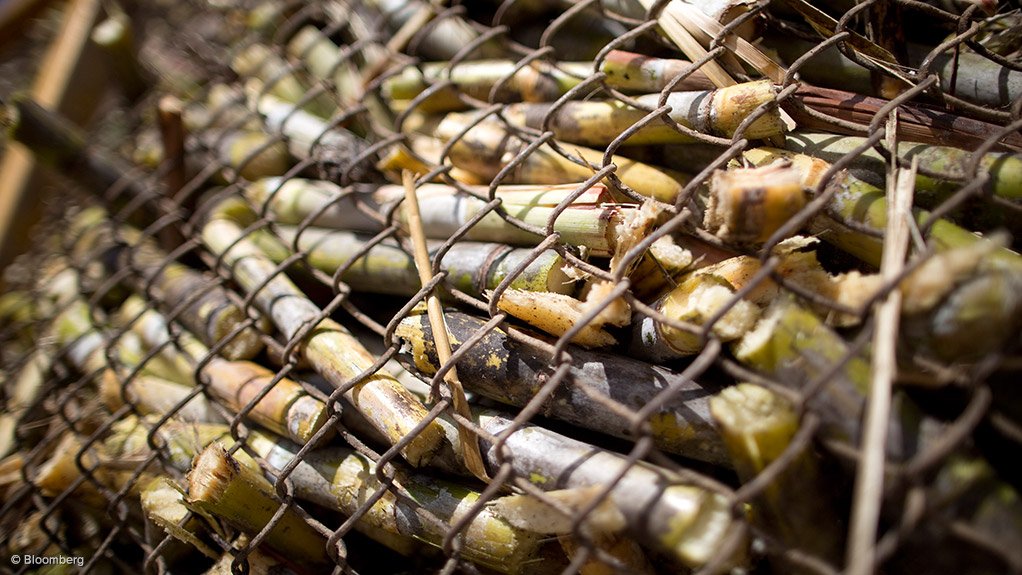



With the International Trade Administration Commission of South Africa (Itac) having adjusted upwards the dollar-based reference price (DBRP) for sugar imports from $680/t to $785/t this week, industry body SA Canegrowers welcomed the adjustment but sugar manufacturer Illovo Sugar believed the adjustment fell materially short of what was required.
SA Canegrowers' view is that the upward adjustment of the DBRP is critical to the sustainability of the domestic sugar industry, which is contending with a flood of heavily subsidised sugar imports.
SA Canegrowers did caution that while the adjustment is welcome, it may not go far enough to fully close the gap that has allowed a surge of subsidised imports to displace locally produced sugar from the local market, which echoes Illovo's view.
“We thank [government] for listening to the industry and acting on the evidence we have presented over the past two years. This adjustment shows the government understands the severity of the crisis facing sugarcane growers," SA Canegrowers chairperson Higgins Mdluli says.
For context, the DBRP is the benchmark price set in US dollars that underpins South Africa's variable tariff on imported sugar. It had been set at $680/t since 2018. When world sugar prices fall below the reference price, a tariff is applied to make up the difference, so that imports cannot undercut local producers and flood the domestic market.
The lower DBRP had left South Africa open to a surge of imported sugar, with volumes having risen sharply over the past two years. Duty-paid imports for the January to June period rose from just 1 619 t in 2022 to 124 594 t over the same period in 2026 - a more than 70-fold increase in four years.
Over the same period, local sugar sales fell by 35% or 188 000 t. This has happened in just three seasons.
Grower proceeds fell by R1.33-billion largely owing to the export burden of having to sell offshore at a loss. The proportion of saleable sugar the industry is forced to sell offshore at a loss rather than into the domestic market has risen from 22% to 37%.
“We are encouraged that government acted, but we will be watching closely over the coming months to see whether this adjustment translates into a genuine reduction in the volume of imported sugar entering the country,” Mdluli states.
DIVERGENT VIEWS
Illovo says the DBRP should have been set higher to ensure the necessary protection of the local sugar industry from the continued threat of unsustainably priced foreign imports and inflationary pressure.
"The outcome did not adequately respond to the scale of pressure facing growers, millers and the broader rural economies reliant on the sugar industry," the company states.
Industry body South African Sugar Association (SASA) initially asked Itac in 2024 to increase the DBRP to $905/t, while another industry body, Beverage Association of South Africa (Bevsa) asked for it to be lowered to between $552/t and $680/t in 2025, citing the adverse impact of duties on beverage producers, bottlers and consumers.
Given these divergent positions of prominent stakeholders in the sugar industry, and following extensive engagements between government and industry, Itac decided that a combined valuation of both applications would be the most equitable approach.
Itac confirmed in its investigation that the domestic sugar industry was indeed facing a challenging operating environment characterised by volatile global sugar prices, increasing import penetration and rising production costs. However, beverage producers had also been experiencing rising input and operating costs, although the sector generally maintained positive growth in production, sales and capacity.
Itac found that the DBRP formula remained an appropriate and necessary mechanism for administering the sugar tariff regime.
However, in considering both SASA and Bevsa's applications, Itac deemed that neither party's proposed DBRP would appropriately balance the need to provide adequate and proportionate support to the domestic sugar industry with the need to preserve the competitiveness of downstream industries, consumer welfare and compliance with South Africa's World Trade Organisation commitments.
Itac said it ultimately recognised the importance of the domestic sugar industry to employment, rural economic activity and livelihoods and therefore decided to base the new DBRP on the six-year weighted average London No. 5 sugar settlement price of $559/t plus an adjustment for the distortion factor evident in the international sugar price of 46% - less the average ocean transport cost of sugar to a South African port of $31/t.
Itac also decided to review the DBRP every three years from now on, or such other period decided by the commission considering developments in the international sugar market and prevailing domestic industry conditions.
On this point, Illovo asked government implement urgent short-term safeguard measures, including those available through Itac's Section 6 mechanism, to provide immediate relief from the surge in unsustainably priced deep-sea imports. It also asked for a further review of the DBRP to fully account for the widespread implications of the current number for the industry.
Illovo desires a more responsible mechanism that is linked to market conditions to ensure tariffs keep pace with import pressure rather than lagging behind.
Article Enquiry
Email Article
Save Article
Feedback
To advertise email advertising@creamermedia.co.za or click here

Projects

Latest Multimedia


Showroom
Mitsubishi Chemical Advanced Materials South Africa (Pty) Ltd is a leading manufacturer of high-performance engineering plastics for the mining...
VISIT SHOWROOM
ALBIS FLANGES — founded in 1965 — is a petro-chemical approved manufacturer of flanges and fittings in most grades of steel, listed with Sasol,...
VISIT SHOWROOM


Press Office
Announcements
What's On
Subscribe to improve your user experience...
Option 1 (equivalent of R125 a month):
Receive a weekly copy of Creamer Media's Engineering News & Mining Weekly magazine
(print copy for those in South Africa and e-magazine for those outside of South Africa)
Receive daily email newsletters
Access to full search results
Access archive of magazine back copies
Access to Projects in Progress
Access to ONE Research Report of your choice in PDF format
Option 2 (equivalent of R375 a month):
All benefits from Option 1
PLUS
Access to Creamer Media's Research Channel Africa for ALL Research Reports, in PDF format, on various industrial and mining sectors
including Electricity; Water; Energy Transition; Hydrogen; Roads, Rail and Ports; Coal; Gold; Platinum; Battery Metals; etc.
Already a subscriber?
Forgotten your password?
Receive weekly copy of Creamer Media's Engineering News & Mining Weekly magazine (print copy for those in South Africa and e-magazine for those outside of South Africa)
➕
Recieve daily email newsletters
➕
Access to full search results
➕
Access archive of magazine back copies
➕
Access to Projects in Progress
➕
Access to ONE Research Report of your choice in PDF format
RESEARCH CHANNEL AFRICA
R4500 (equivalent of R375 a month)
SUBSCRIBEAll benefits from Option 1
➕
Access to Creamer Media's Research Channel Africa for ALL Research Reports on various industrial and mining sectors, in PDF format, including on:
Electricity
➕
Water
➕
Energy Transition
➕
Hydrogen
➕
Roads, Rail and Ports
➕
Coal
➕
Gold
➕
Platinum
➕
Battery Metals
➕
etc.
Receive all benefits from Option 1 or Option 2 delivered to numerous people at your company
➕
Multiple User names and Passwords for simultaneous log-ins
➕
Intranet integration access to all in your organisation